Sustainable Design in Urban Real Estate: The Key to Future-Ready Living

Sustainability is no longer a luxury but a necessity in urban real estate development. Responsible design practices not only protect the environment but also improve residents’ quality of life and create economic advantages.

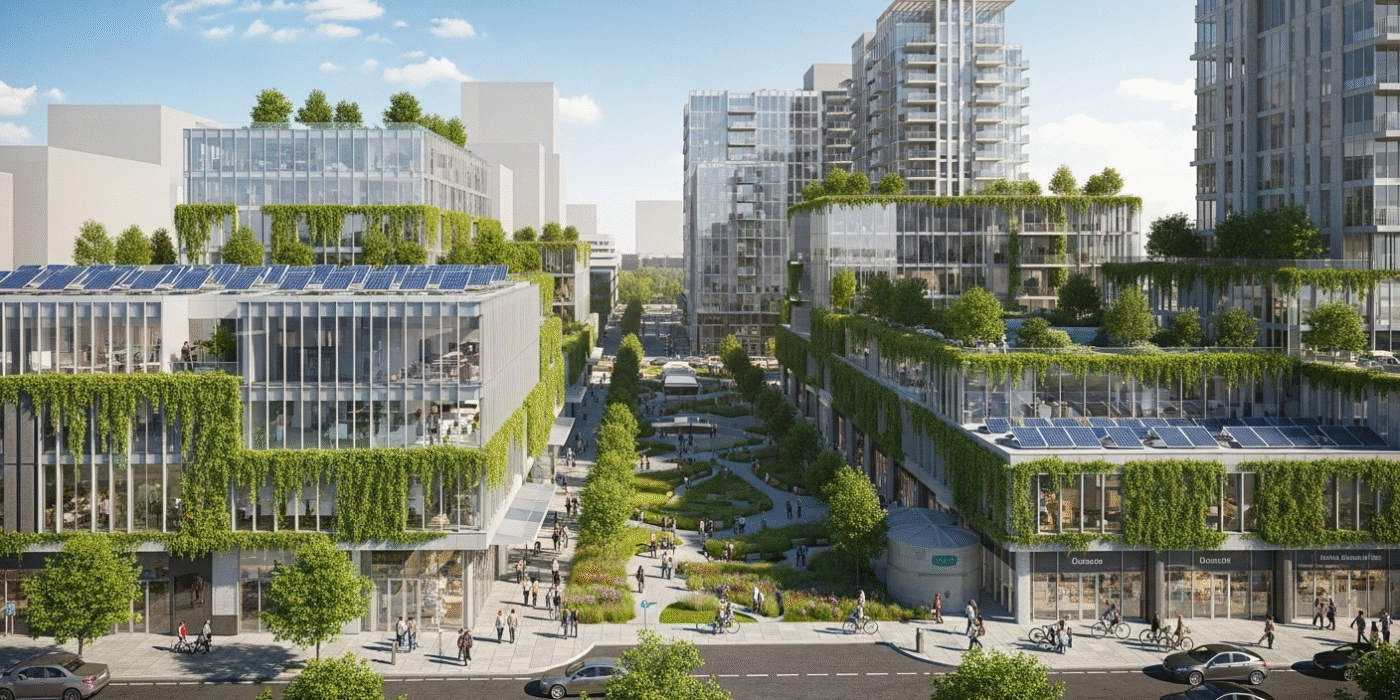
Sustainable real estate employs eco-friendly construction materials, energy-efficient systems, and provisions for water conservation. Incorporating green infrastructure such as parks, green roofs, and natural water bodies helps mitigate urban heat islands, improve air quality, and support biodiversity. Thoughtful design promotes health and well-being by encouraging outdoor activity and connection to nature.

At Samruddhi One Campus, sustainability is a foundational principle. Beyond compliance with environmental standards, the project features green areas harmoniously designed amongst retail and living spaces. Smart infrastructure optimizes resource use while enhancing comfort. These efforts reduce the carbon footprint and operating costs, making properties more attractive to eco-conscious buyers and tenants.

Community health and social well-being are key components of sustainability here. The availability of healthcare facilities, wellness programs, and safe pedestrian-friendly areas fosters a supportive environment for all generations.

Sustainable design also increases asset value. Properties aligned with green principles command premium rents, enjoy longer tenant retention, and attract forward-thinking investors.

By prioritizing sustainability, developers and residents join a movement shaping resilient, vibrant cities prepared for future challenges and opportunities.
How Integrated Amenities Elevate Retail and Residential Experiences

In today’s real estate market, amenities have become a decisive factor for residents and retailers alike. Integrated amenities in mixed-use developments not only enhance daily life but also drive strong community ties and economic vitality.

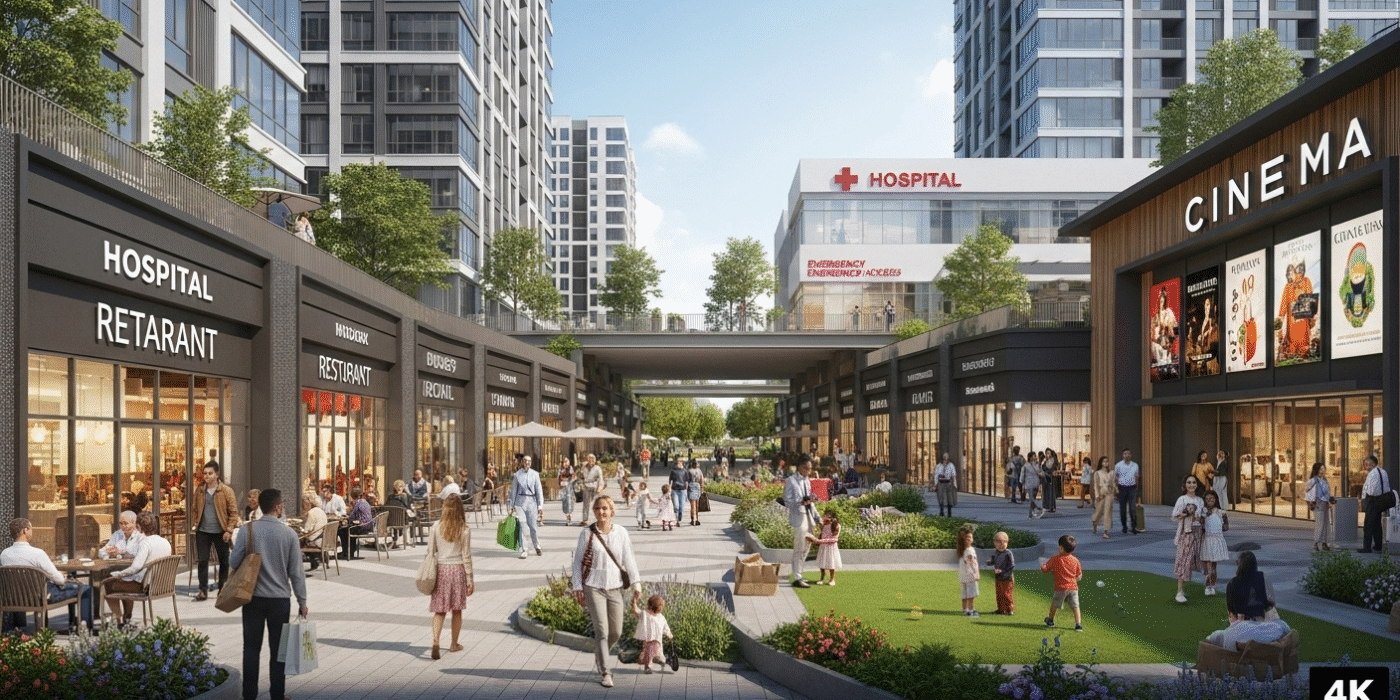
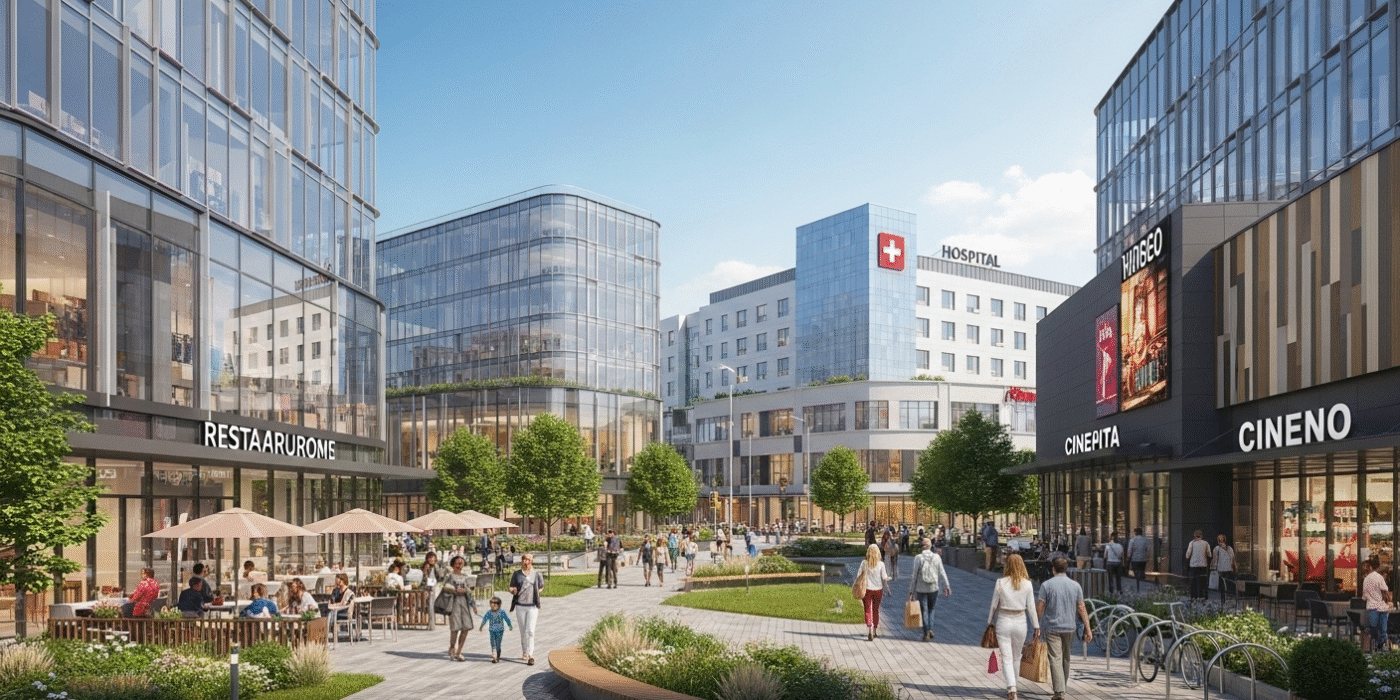
Key amenities typically include healthcare facilities, entertainment options like cinemas and event spaces, a variety of dining establishments, and green common areas. Having these conveniences on-site or within immediate reach significantly elevates the living experience. For families, easy access to hospitals means peace of mind. For professionals and social seekers, theaters, restaurants, and cafés serve as hubs for relaxation and connection outside the workplace.

Samruddhi One Campus offers an impressive blend of such amenities, designed intelligently to accommodate diverse lifestyles. The modern hospital ensures healthcare is never far away. Multiple dining options range from casual cafés to specialty restaurants, meeting the culinary preferences of a broad audience. Entertainment venues and open leisure spaces support recreation for individuals of all ages.

The presence of integrated amenities creates vibrant, interwoven communities where interaction flourishes. This helps build a sense of belonging, reduces social isolation, and promotes a healthier lifestyle. It also attracts a variety of tenants — from young professionals and families to retirees seeking convenience and connection.

For retailers and homebuyers, assessing the quality and variety of amenities is crucial. When well-curated, these features positively impact property values, rental demand, and overall satisfaction.

The Rise of Mixed-Use Developments: Creating Convenient Urban Communities

Mixed-use developments are rapidly reshaping the urban landscape, combining residential, commercial, retail, healthcare, and entertainment spaces into vibrant, self-sustaining communities. This innovative approach offers a solution to many challenges the modern city dweller faces, such as long commutes, fragmented neighborhoods, and limited access to essential services.

One of the biggest appeals of mixed-use projects is convenience. Residents can live, work, and enjoy leisure activities all within the same location or just a short walk away. This proximity fosters a better work-life balance, reduces travel stress, and maximizes time spent with family or pursuing hobbies. The Samruddhi One Campus, located in Surat’s high-demand Dindoli area, exemplifies this trend by integrating retail shops, a hospital, cinemas, restaurants, cafés, and social spaces in a seamless urban environment.

Businesses also benefit from mixed-use settings. Retailers and service providers gain access to a diverse and steady customer base from the on-site residents as well as visitors attracted to the campus’s various amenities. This mix leads to more foot traffic, increased sales opportunities, and a dynamic atmosphere that promotes commercial success.

From a sustainability standpoint, mixed-use developments contribute to lowering urban sprawl by concentrating growth in compact, walkable areas. Fewer vehicle trips translate to reduced carbon emissions and better air quality. The thoughtful design of such projects often includes green spaces, energy-efficient buildings, and infrastructure supporting eco-friendly transportation modes.

Looking ahead, the popularity of these developments is expected to grow as lifestyle preferences evolve toward community-centered, accessible urban living. For buyers and investors, engaging with projects like Samruddhi One means benefiting from well-rounded, future-ready environments that promise both quality living and financial returns.